
WAGNER

WAGNER ZIP 182
WAGNER ZIP 182 double diaphragm pump for feeding large quantities of liquids – up to 8 bar and 180 l/min.
Who it is for: material transfer and circulation, filling and emptying tanks and drums, solvents, oils, abrasive materials
- 8 barPressure
- 1 :1Transmission ratio (:1)
- 710 cm³Volumetric flow per double stroke
Enquire about this productBring your paint – we will test it
The technician for your field will contact you as soon as possible. Prices are provided in our quotation.
Why WAGNER ZIP 182
- High performanceUniversal pump for transferring large quantities of various liquids.
- Low maintenance costsExtremely durable diaphragm.
- Wide range of applicationsFeeding in paint supply systems, transfer and circulation of printing inks, thinners, paints, chemicals and oils, disposal of liquid waste, feeding of low-viscosity adhesives, filling and emptying of tanks, drums and containers.
The ZIP 182 is a universal pneumatic double diaphragm pump with a ratio of 1 : 1 and a volume of 710 cm³ per double stroke. It is used for material transfer and circulation systems and handles solvent-based and abrasive materials, oils and shear- and moisture-sensitive materials.
Source of text: manufacturer’s page 1, manufacturer’s page 2
Technical data
- Materials
- Solvent-borne, Abrasive, Oils, shear sensitive, sensitive to moisture
- Material Wetted Parts
- Aluminium, PTFE (polytetrafluoroethylene), Stainless steel
- Weight
- 12.5 kg
- Material outlet
- I G 1''
- Compressed air connection
- M G 1/2''
- Air inlet pressure
- 1–8 bar
- Pressure
- 8 bar
- Volumetric flow per double stroke
- 710 cm³
- Sound level at 6 bar air pressure
- 78 dB(A)
- Transmission ratio (:1)
- 1 :1
- Material temperature
- 4–90 °C
Further manufacturer data
- Volumetric Free Flow Rate
- 180 l/min
Data are taken from manufacturer documentation. We will verify them for your application before you order. Request a technical data sheet
Suitable for
- exterior plastic parts
- lorries, buses and other vehicles
- rail vehicles
- agriculture
- light construction machinery
- heavy construction machinery
Similar models – WAGNER spray pumps and packages
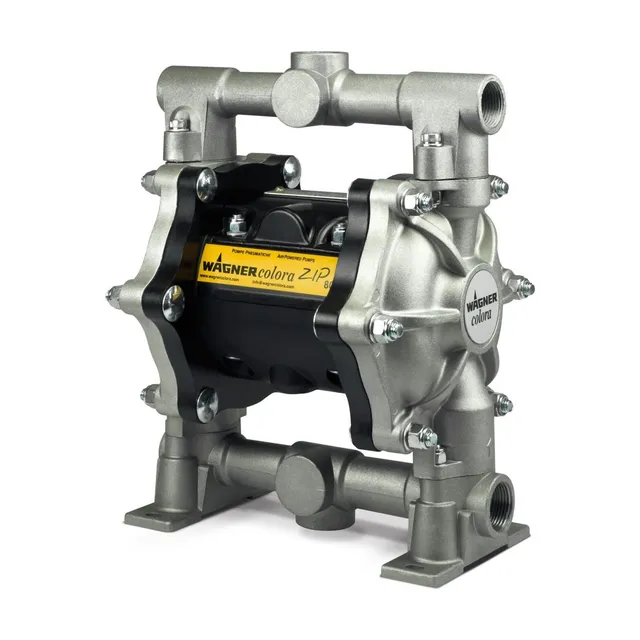
WAGNER
ZIP 80
WAGNER ZIP 80 universal double diaphragm pump for feeding large quantities of liquids – up to 8 bar and 80 l/min.
8 barPressure
- Weight
- 5.4 kg
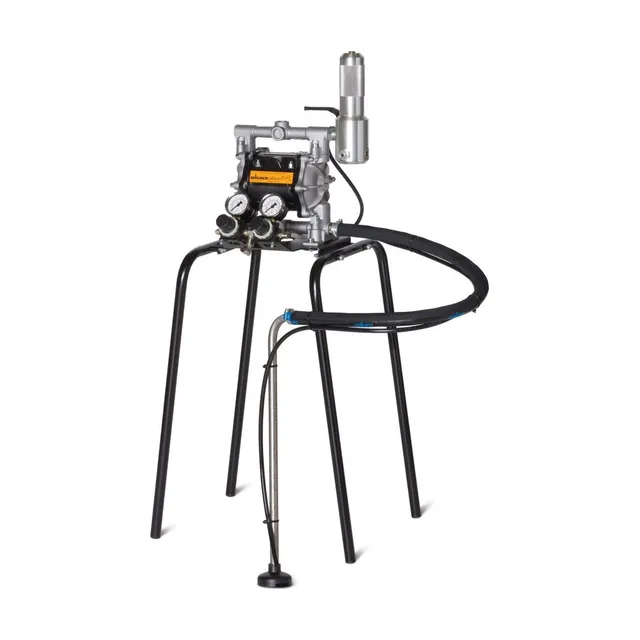
WAGNER
ZIP Eco Perfect Flow
WAGNER ZIP Eco Perfect Flow double diaphragm pump for single-gun Airspray – an affordable entry-level model up to 8 bar.
8 barPressure
- Technology
- Airspray
- Weight
- 7.9 kg
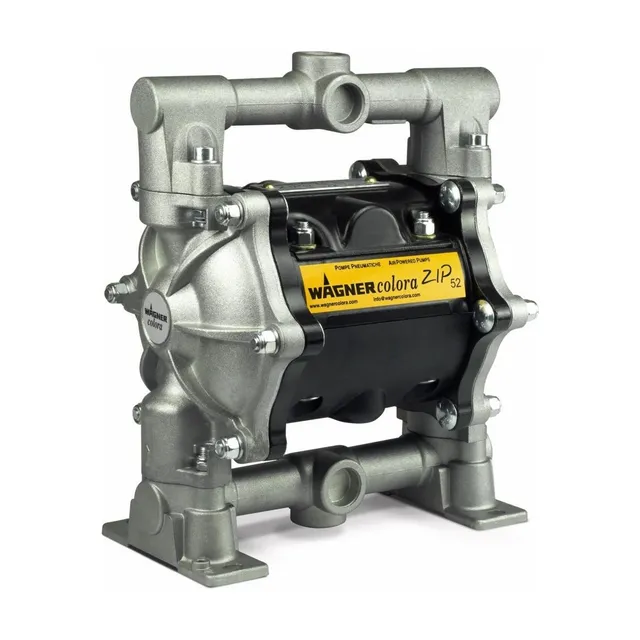
WAGNER
ZIP 52
WAGNER ZIP 52 universal double diaphragm pump for transfer and circulation of liquids – up to 8 bar and 52 l/min; also available as the ZIP 52 Finishing unit for Airspray.
8 barPressure
- Technology
- Airspray
- Weight
- depending on version
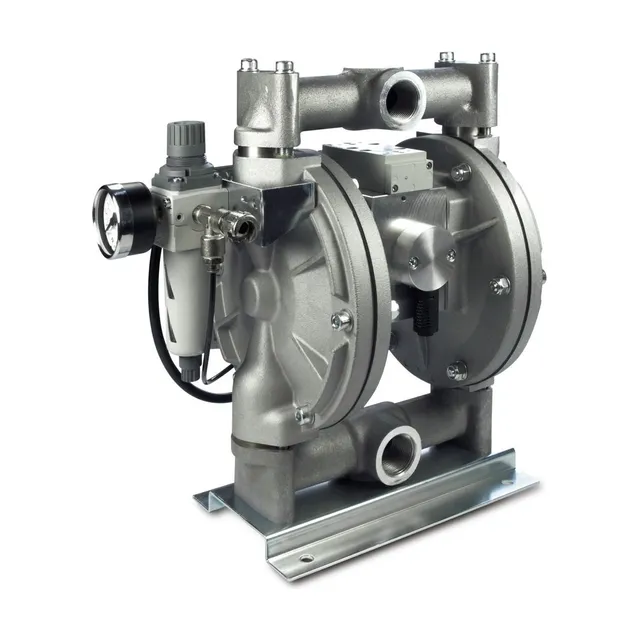
WAGNER
PM 500
WAGNER PM 500 double diaphragm pump for material transfer and circulation systems, suitable for paint supply – up to 8 bar and 75 l/min.
8 barPressure
- Weight
- 13.8 kg
Frequently asked questions
What is the maximum material pressure of the WAGNER ZIP 182?
The manufacturer's technical data for the WAGNER ZIP 182 state: maximum material pressure 8 bar.
What is the transmission ratio and volume per double stroke of the WAGNER ZIP 182?
Manufacturer's technical data for the WAGNER ZIP 182 – transmission ratio 1: 1, volume 710 cm³ per double stroke.
What materials can the WAGNER ZIP 182 handle?
Materials according to the manufacturer: solvent-based, abrasive, oils, shear-sensitive, moisture-sensitive; material temperature 4–90 °C.
What connections does the WAGNER ZIP 182 require?
Air inlet pressure 1–8 bar; air connection male G 1/2″; material outlet female G 1″.
How much does the WAGNER ZIP 182 weigh and how loud is it?
Weight 12.5 kg; noise level at 6 bar air pressure 78 dB(A).
What materials are the paint-contacting parts of the WAGNER ZIP 182 made of?
According to the manufacturer, the paint-contacting parts of the WAGNER ZIP 182 are made of the following materials: aluminium, PTFE, stainless steel.
Have a different question? Write to us – a technician will answer. Send an enquiry
Technical terms are explained in the glossary.