
WALTHER PILOT
WALTHER PILOT extraction
Extraction walls and overspray capture equipment. The catalogue also includes extraction tables and spray booths, including wet booths.
Models (13)
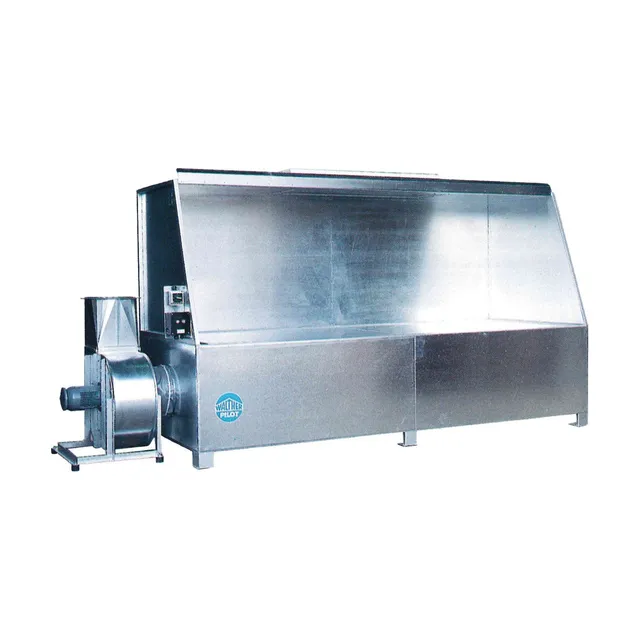
Extraction table type 25
WALTHER PILOT type 25 extraction table for long workpieces such as mouldings – vertical downward extraction with a small air volume, 4,500 – 9,900 m³/h.
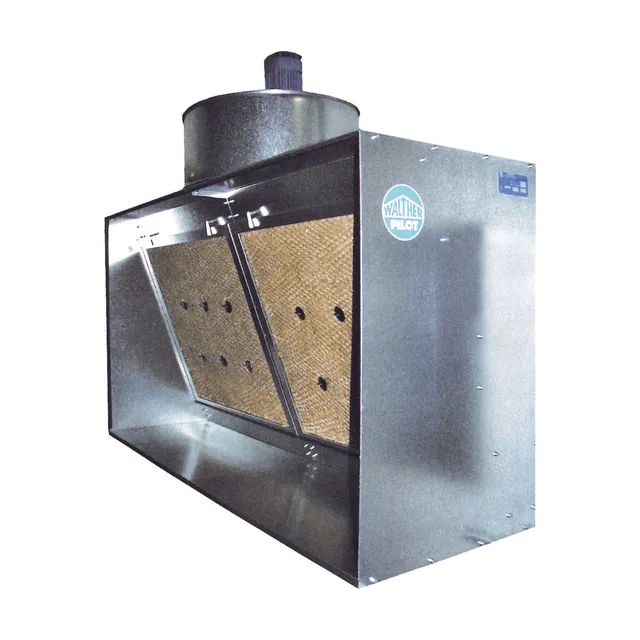
Extraction table type 2000
WALTHER PILOT type 2000 extraction table for bonding – solvent vapours are extracted downwards through a slot, 2,600 – 6,500 m³/h.
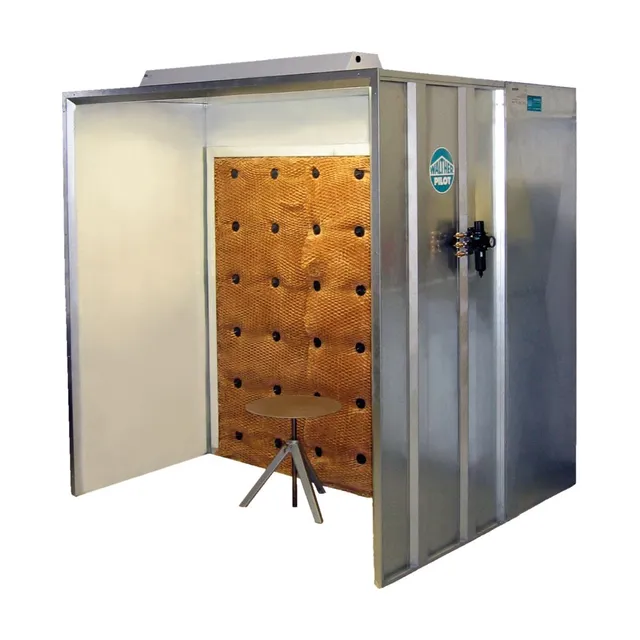
Extraction wall type 90 K
WALTHER PILOT type 90 K extraction wall with a fixed front section of 1,000 or 2,000 mm – separates the painting workstation from the rest of production.
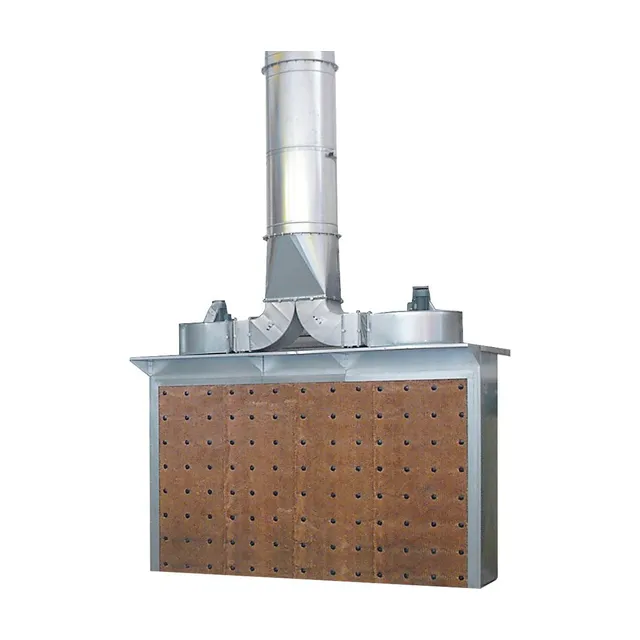
Extraction wall type 90 W
WALTHER PILOT type 90 W extraction wall – modular system for any working width, 3,600 – 17,000 m³/h.
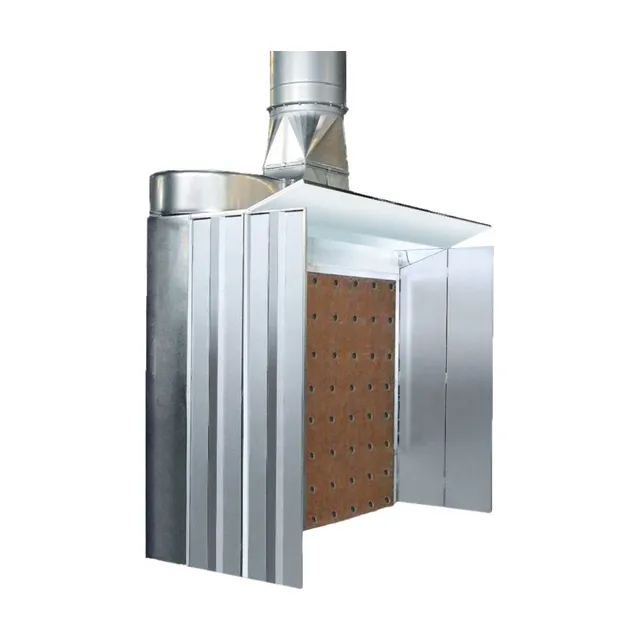
Extraction wall type 90 WS
WALTHER PILOT type 90 WS extraction wall with sliding side walls and a roof section for better airflow around workpieces.
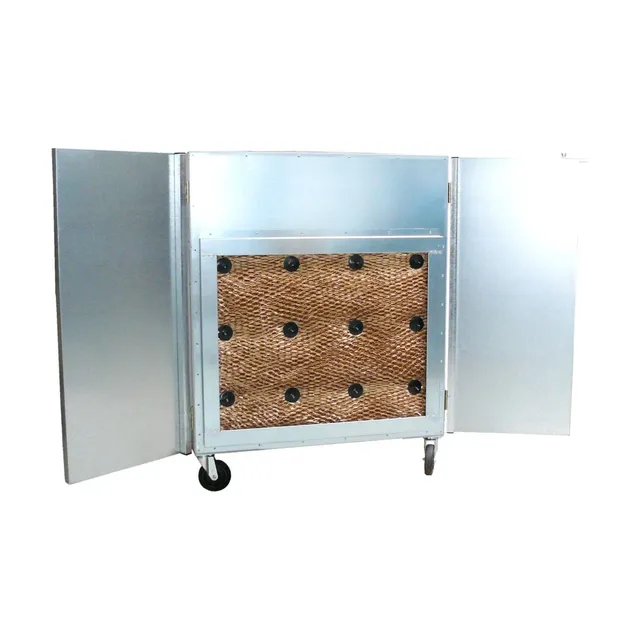
Mobile extraction wall type Ultra
WALTHER PILOT mobile extraction wall type Ultra for occasional use, such as spot repairs – on a chassis, closes like a cabinet.
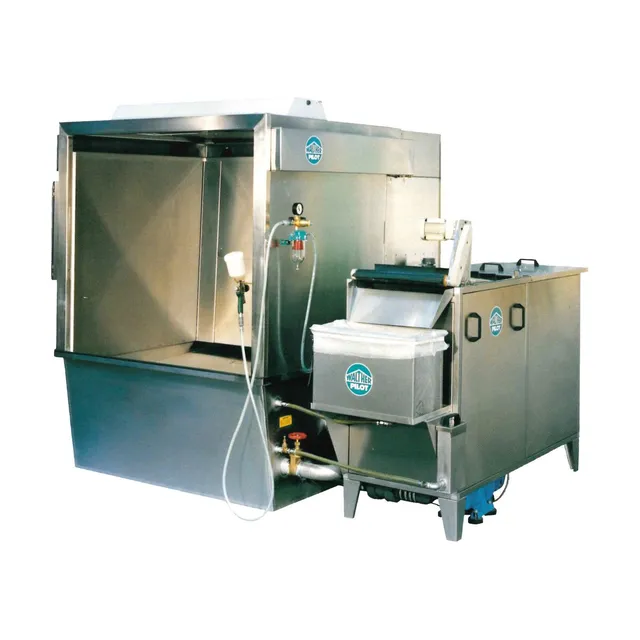
Paint sludge discharger Twin 2200
WALTHER PILOT Twin 2200 stainless steel paint sludge discharger for wet booths – pneumatic scraper and self-priming pump in explosion-proof design.
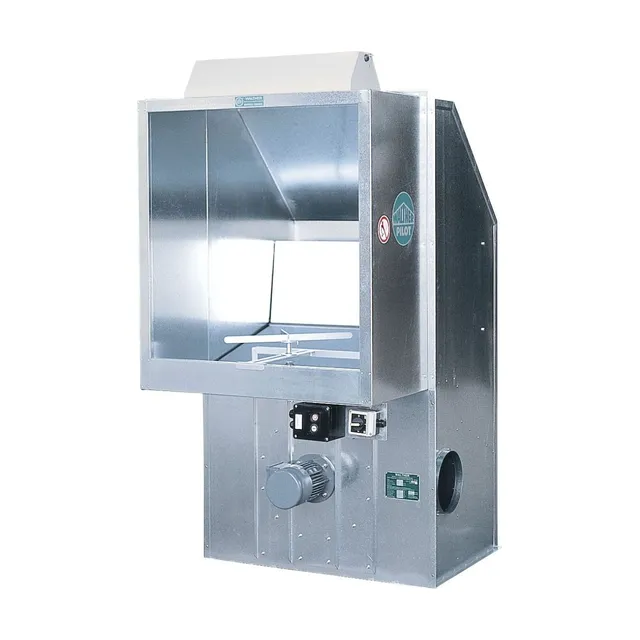
Small spray booth type 77
WALTHER PILOT small spray booth type 77 for small parts on a turntable or held by hand – delivered assembled, tool-free filter.
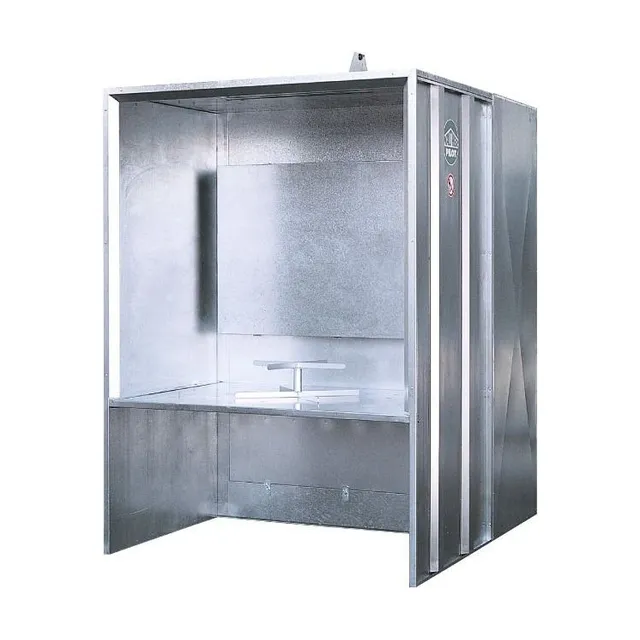
Spray booth type 80
WALTHER PILOT spray booth type 80 for medium parts – large working depth and filter area, for practically all spraying work.
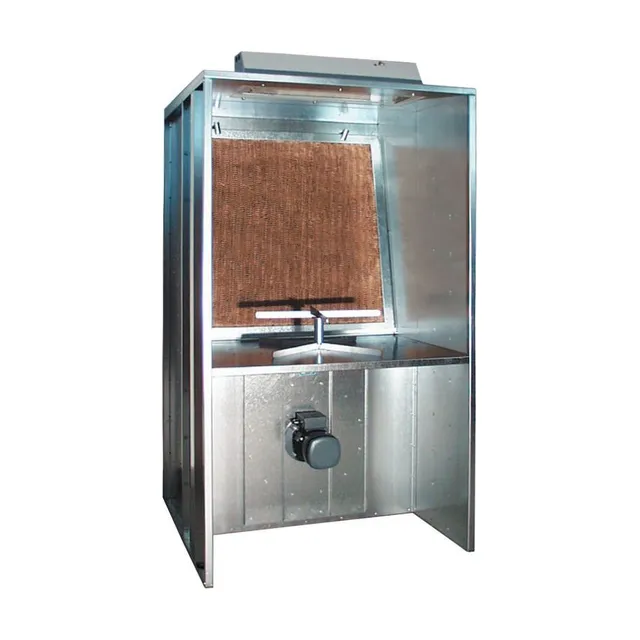
Spray booth type 700 / 800
WALTHER PILOT spray booth type 700 / 800 for small and medium parts – small depth, large filter area, built-in fan.
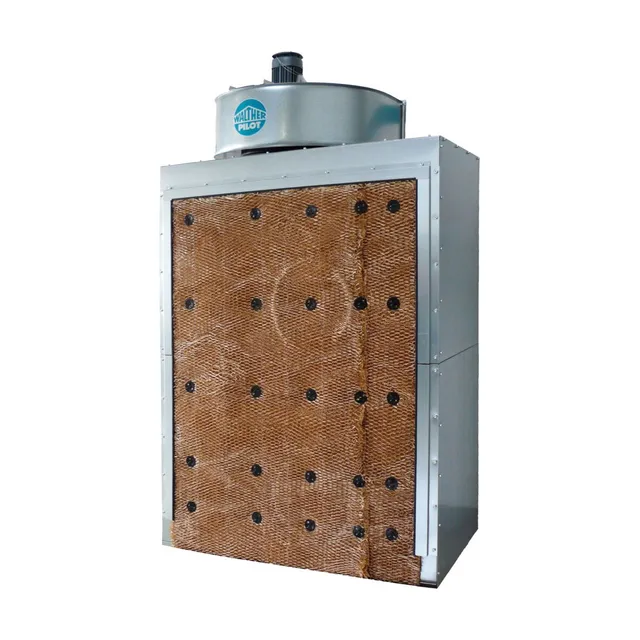
Spray booth type 900
WALTHER PILOT spray wall type 900 for medium to large parts – any working width by combining sizes, 3,600 – 10,000 m³/h.
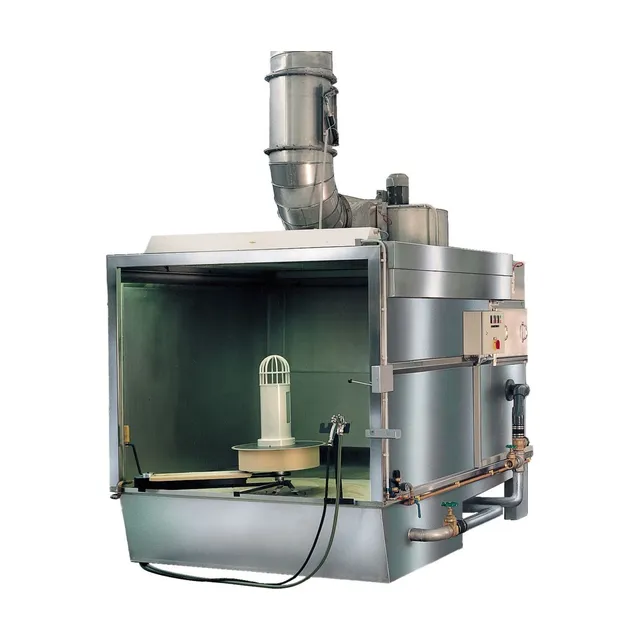
Wet spray booth type 5658
WALTHER PILOT wet spray booth type 5658 with 3-sided water curtain for small and medium parts, 3,600 – 11,250 m³/h.
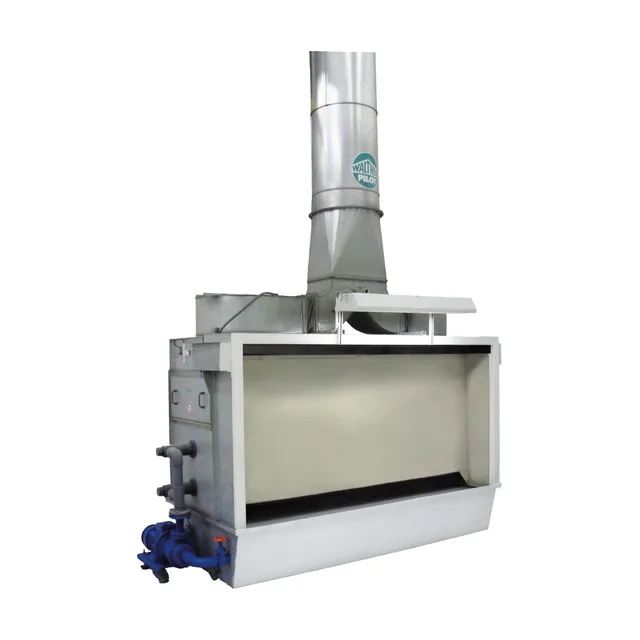
Wet spray booth type 6022
WALTHER PILOT wet spray wall type 6022 for long and bulky parts, for example from an overhead conveyor – 9,000 – 13,800 m³/h.
Also searched as: extraction, extraction wall, extraction walls, extraction table, extraction tables
How it works
How a spray booth with extraction works
The fan draws air from the working area. Overspray – paint particles that did not land on the part – is captured by filters or water, and the cleaned air is discharged outside.
Select a step or click a part of the diagram – we will show what it does, related terms, questions and products.
- Extracted air
Description of all parts
- Supply air
Air flows into the booth – on larger installations from a dedicated supply air unit that filters the air and heats it as required.
- Supply air
On larger installations, the supply air unit filters outside air, heats it as required and feeds it into the booth at a slight overpressure. On smaller booths, the air comes from the workshop.
The supply air must replace the extracted air, otherwise negative pressure and draughts occur. In the cold season, the supply air is heated.
- Supply air
- Working area
Spraying produces overspray. The air flow carries it away from the painter and the part.
- Booth working area
This is where the part is painted. The air flow carries overspray and vapours away from the painter.
Before commissioning, an explosion protection inspection is carried out, followed by regular inspections.
- Booth working area
- Overspray separation
Dry separation: multi-layer filter mats capture the overspray. Wet separation: the particles are bound in water, producing sludge.
- Dry filters
Multi-layer filter mats capture the overspray. On the 700/800 booths, for example, they are made of recycled paper in a hinged frame.
Advantages: lower investment, simpler disposal, no process water. Disadvantages: fire risk with self-igniting paints, downtime for filter changes and suction that varies as the filters clog. - Wet separation
In wet booths, the particles are bound in the scrubbing liquid, producing paint sludge.
Suitable for sticky and flammable paints, with a lower fire risk and constant performance. Disadvantages: humidity, corrosion, sludge disposal and chemicals.
- Dry filters
- Fan
A built-in fan creates the air flow through the booth.
- Fan
A built-in fan draws air through the filters.
- Fan
- Exhaust air
The cleaned air leaves through the exhaust air connection.
- Exhaust air
Exhaust air connection – on some booths it can be connected on the left or the right.
- Exhaust air
Simplified principle. We design the booth size, extracted air volume, type of separation and connection to the ventilation system according to the parts and material.
Source: WALTHER PILOT – WaltherWiki, extraction systems and supply air; type 700/800 booth pages (walther-pilot.de) and WAGNER Type 700 (wagner-group.com).