
WAGNER

WAGNER suction and material preparation
Suction systems and hoses, hoppers, agitators, drum lids, stainless steel tanks and inline material heaters.
How to order a partAbout WAGNER – Certified Partner for the Czech Republic and Slovakia
Models (17)
Additional accessories for drum lids
Drum lids
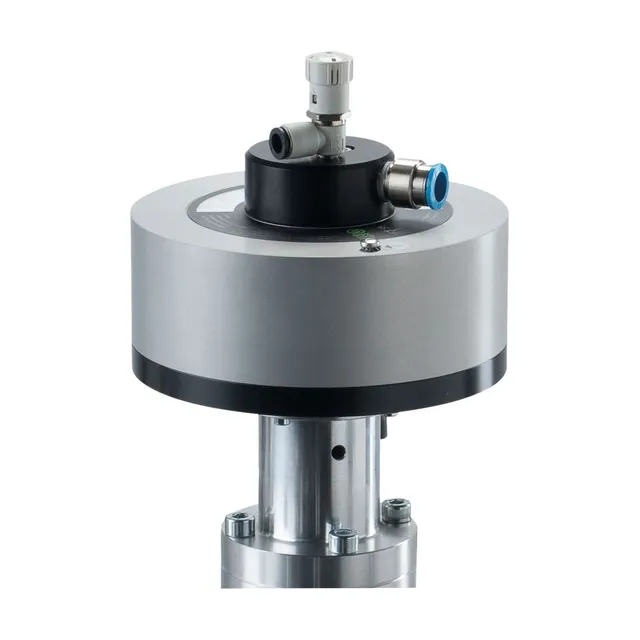
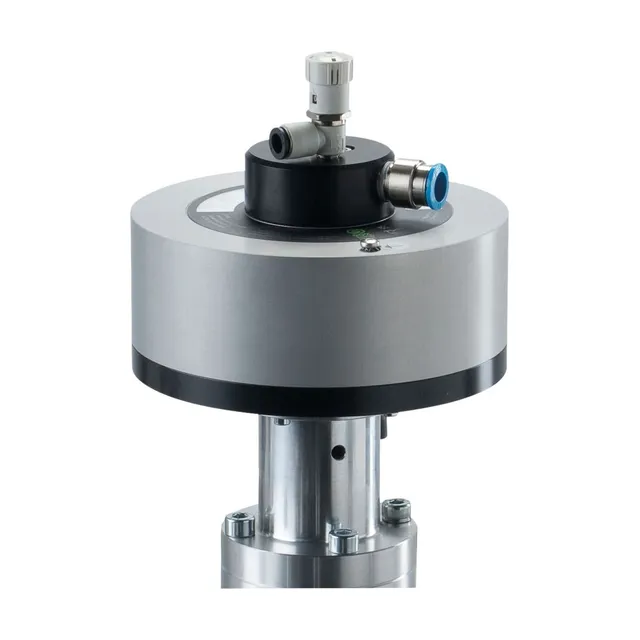
DRW pneumatic agitators
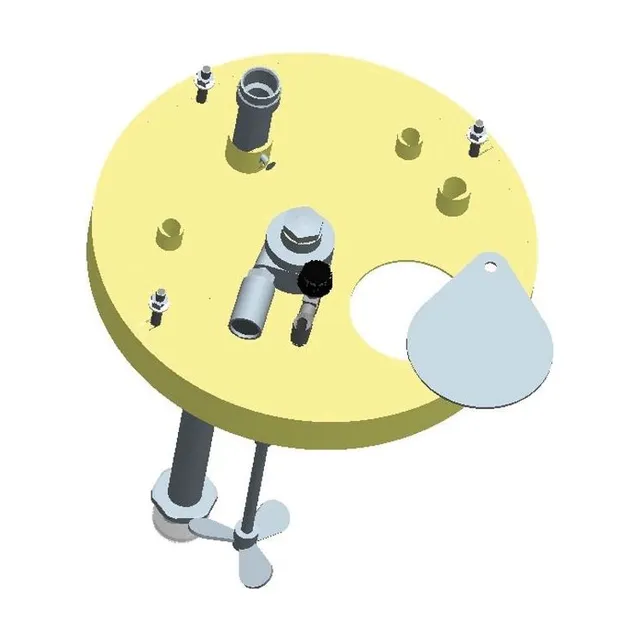
Drum lid with agitator
Material flow heaters
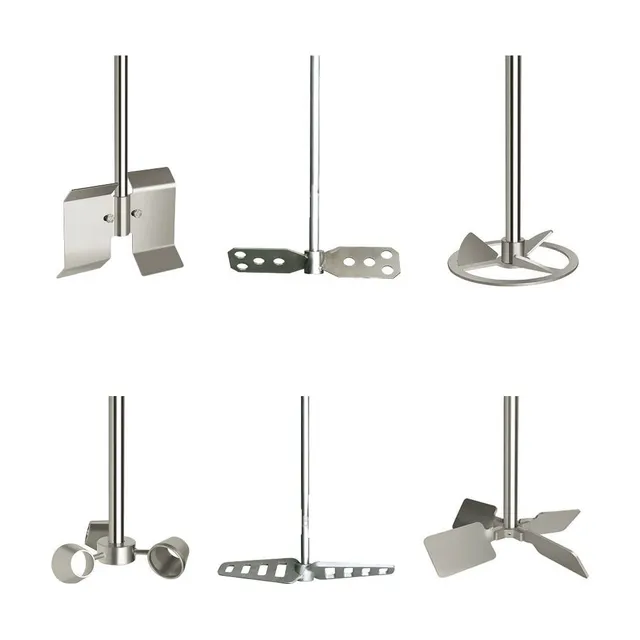
Agitator impellers
Manual agitators
Stainless steel material containers
Pneumatic agitators
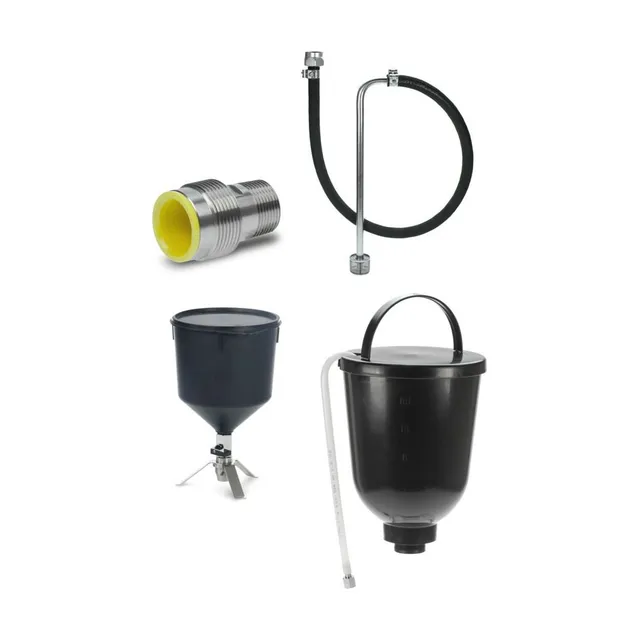
Rigid suction pipes
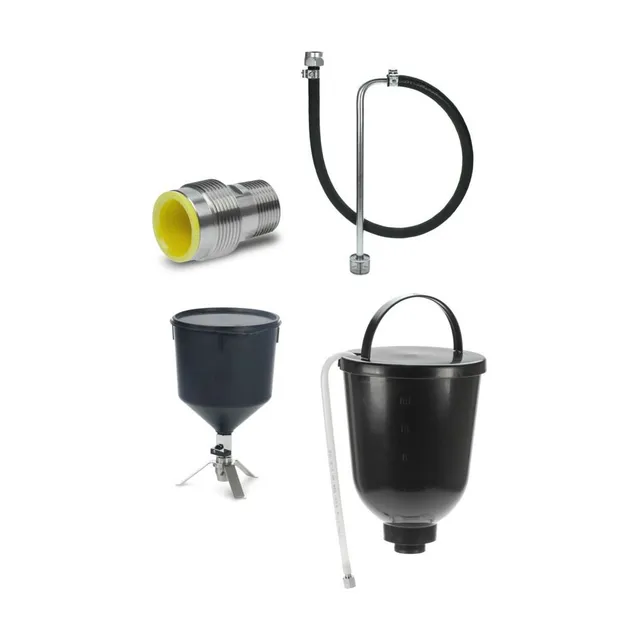
Small-quantity cups
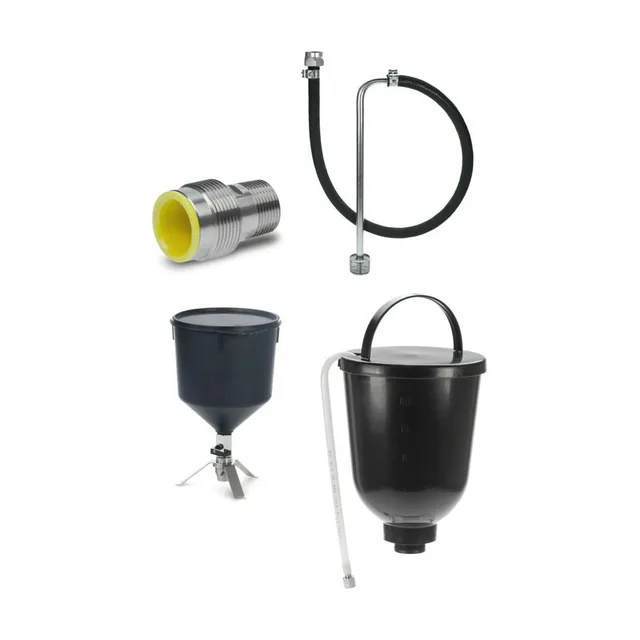
Suction filters – stone catchers
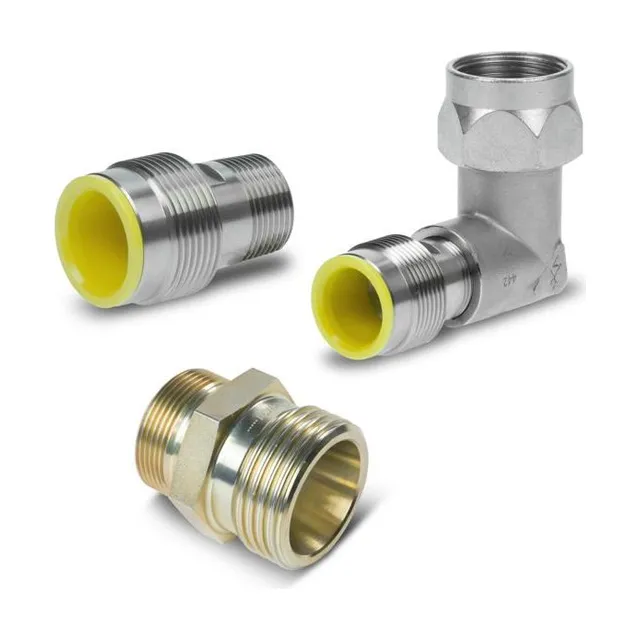
Suction fittings
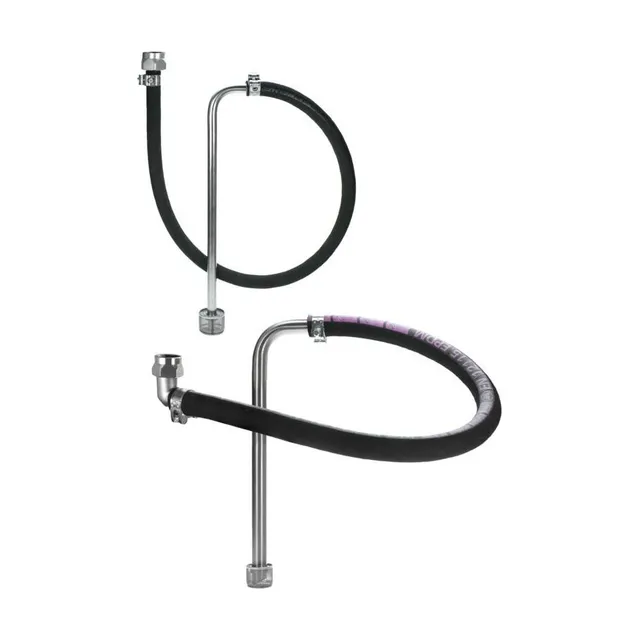
Suction hoses
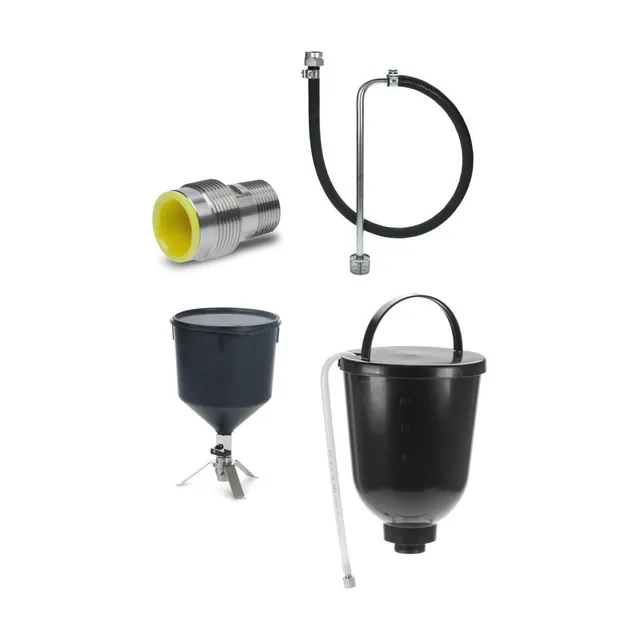
Suction hoses by the metre and fittings
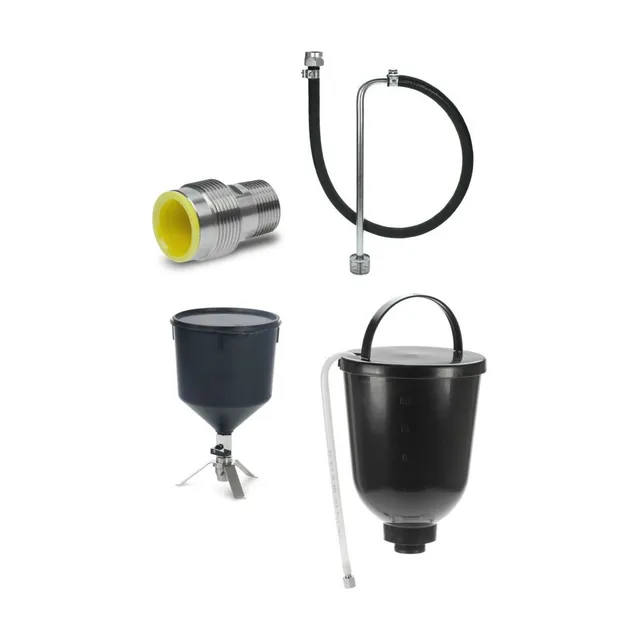
Suction systems for drums and drum covers
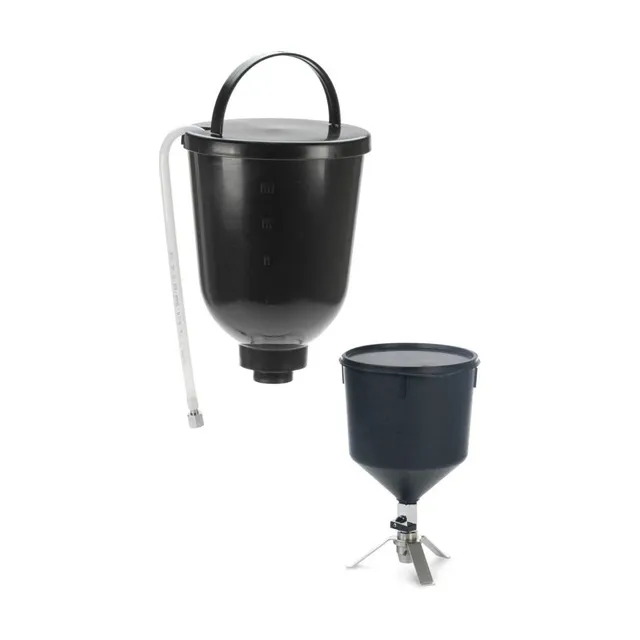
Hoppers and tanks for pumps
Also searched as: suction, suction hose, suction hoses, agitator, agitators
How it works
How airless and AirCoat spraying works
A pump driven by compressed air draws in the paint and pushes it at high pressure through the filter and hose to the gun. The paint is atomised by the narrow nozzle orifice. With AirCoat, the gun also receives atomising air, which envelops and softens the spray jet.
Airless: only the material hose goes to the gun. The paint is atomised by the material pressure in the nozzle alone – no air is supplied to the gun.
Select a step or click a part of the diagram – we will show what it does, related terms, questions and products.
- Compressed air
- Paint / material
- Material under high pressure
Description of all parts
- Material
The pump draws in paint through a suction hose or suction tube directly from the bucket or drum.
- Material container
Bucket or drum from which the pump draws paint through a suction hose or suction tube.
- Material container
- Drive air
Compressed air from the supply passes through the air service unit with regulator and drives the pump's air motor.
- Compressed air supply
Compressed air from the workshop supply drives the pump and, with AirCoat, also serves as atomising air in the gun.
WAGNER hoses and couplings → - Air service unit with regulator
Sets the air pressure for the pump motor – and thus also the material pressure.
Air goes to the pump motor via a pressure regulator and ball valve. For AirCoat, an additional regulator with a filter for the gun air is mounted on the control unit of some pumps (for example Cobra, Wildcat, Puma).
- Compressed air supply
- Pump and filter
The piston or double-diaphragm pump generates high material pressure – according to the transmission ratio. The material filter catches impurities upstream of the gun.
- Pump
An air motor drives a piston or double-diaphragm pump. The transmission ratio determines how many times higher the material pressure is than the air pressure.
Cobra, for example, is a double-diaphragm pump: the air motor moves a piston, which moves the diaphragms via hydraulic oil – with each stroke it draws in and delivers at the same time. IceBreaker piston pumps have an air motor resistant to icing and fast-switching valves with low pulsation. - Material filter
Catches impurities in the material so that they do not clog the nozzle.
In addition to the filter at the pump, an in-line cage filter is used; some guns (Vector Grip, PROTEC GM 1) have a filter in the handle.
WAGNER filters, regulators and valves →
- Pump
- Hose
The high-pressure hose carries the material to the gun. With AirCoat, an air hose also goes to the gun (twin hose).
- High-pressure hose
Carries the material at high pressure from the pump to the gun. With AirCoat, a twin hose is used – material and air hose together.
WAGNER hoses and couplings → - Atomising air (AirCoat only)
With AirCoat, air is supplied to the gun via an air hose. The gun's air cap regulates it and envelops the spray jet with it – atomisation is finer. With pure airless, no air is supplied to the gun.
AirCoat works with a lower material pressure than airless – the spray jet is softer, with less mist and less overspray than with air spraying.
- High-pressure hose
- Gun and nozzle
The nozzle atomises the material by pressure difference. The orifice size and nozzle angle determine the quantity and width of the spray jet. With AirCoat, the gun's air cap envelops the jet with atomising air.
- Spray gun
A manual or automatic airless or AirCoat gun opens and closes the material flow.
Airless guns are suited to thick coats and fast work – corrosion protection, wind turbines, undersides of rail vehicles. AirCoat combines the surface quality of air spraying with the speed of airless – windows, furniture, gearboxes, vehicle bodies.
WAGNER spray guns and atomisers →
WALTHER PILOT spray guns → - Nozzle
The narrow nozzle orifice atomises the material. The orifice size and spray angle determine the quantity and width of the spray jet.
WAGNER nozzles for airless and AirCoat →
- Spray gun
Simplified principle with a pneumatic pump. We select the suction method (bucket, drum, hopper), pump type and accessories according to the material and production. This is not a connection guide.
Source: WAGNER – airless and AirCoat technology guide and pump pages (wagner-group.com); WALTHER PILOT – WaltherWiki, spraying methods.
Video
Presented by Peter Kovár, WAGNER Sales Manager for the Czech Republic and Slovakia. The video is in Slovak.
Suction hose and strainer: what to watch out forA clean, undamaged suction strainer protects the pump from contamination and loss of pressure.