
WALTHER PILOT
WALTHER PILOT pressure and unpressurised tanks
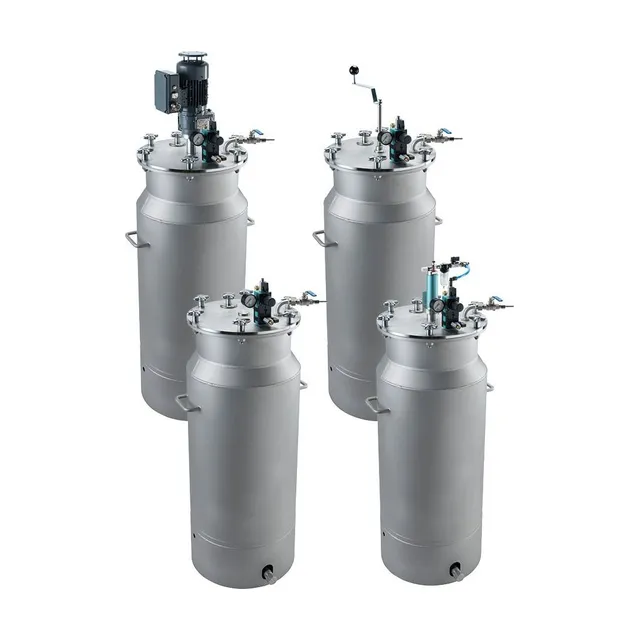
Tanks for preparing and supplying material to the guns. FMB and MDG series including modular versions and special tanks.
Send an enquirySolution: Industrial coatingCompare models in the table
Models (22)
Sorted by “Pressure”, lowest value first.
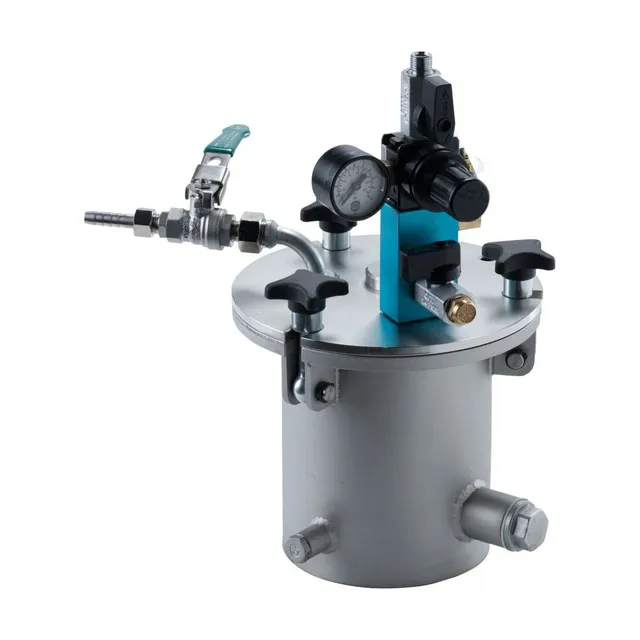
MDG 1 Modular
WALTHER PILOT MDG 1 Modular stainless steel material pressure tank in a modular system – pressure 3 bar.
3 barPressure
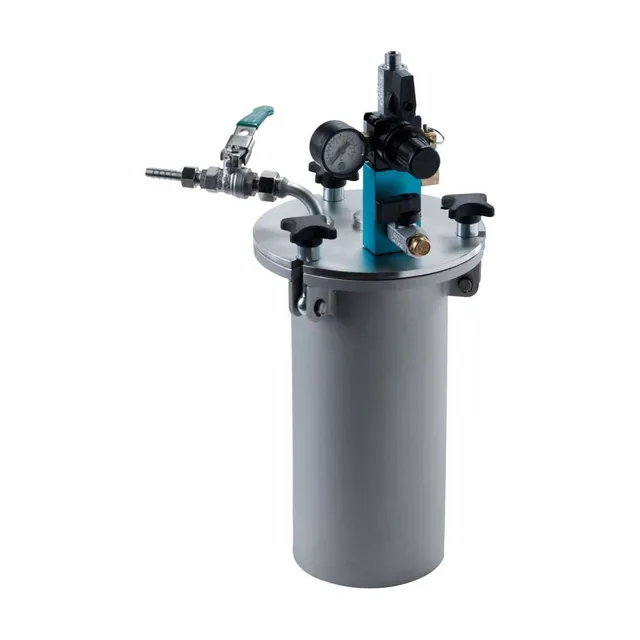
MDG 3 Modular
WALTHER PILOT MDG 3 Modular stainless steel material pressure tank in a modular system – pressure 3 bar.
3 barPressure
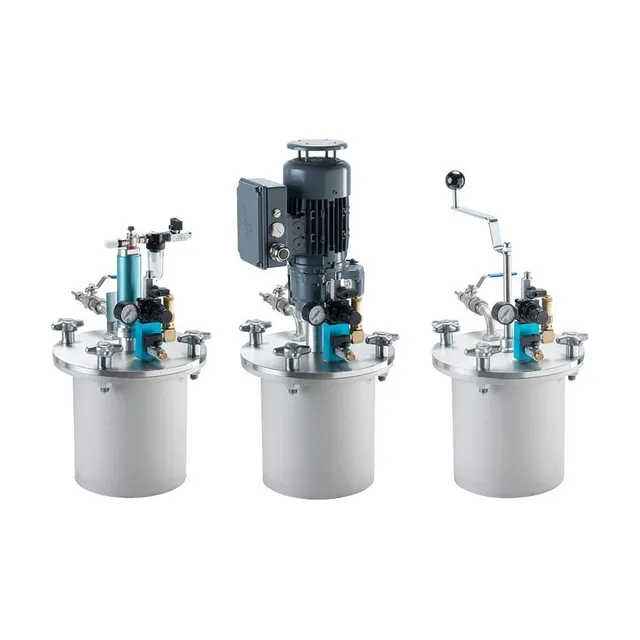
MDG 8
WALTHER PILOT MDG 8 stainless steel material pressure tank – usable volume 6.4 l, pressure vacuum / 4 bar.
vacuum / 4 barPressure
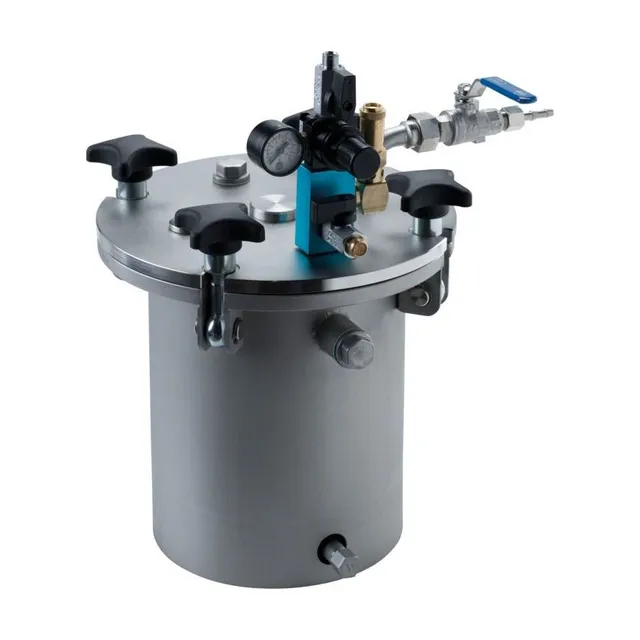
MDG 8 Modular
WALTHER PILOT MDG 8 Modular stainless steel material pressure tank in a modular system – pressure 4 bar.
4 barPressure
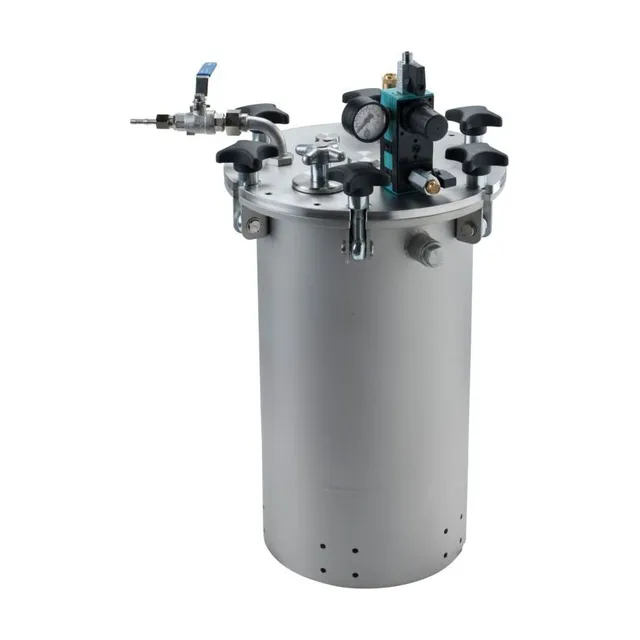
MDG 22 Modular
WALTHER PILOT MDG 22 Modular stainless steel material pressure tank in a modular system – pressure 6 bar.
6 barPressure
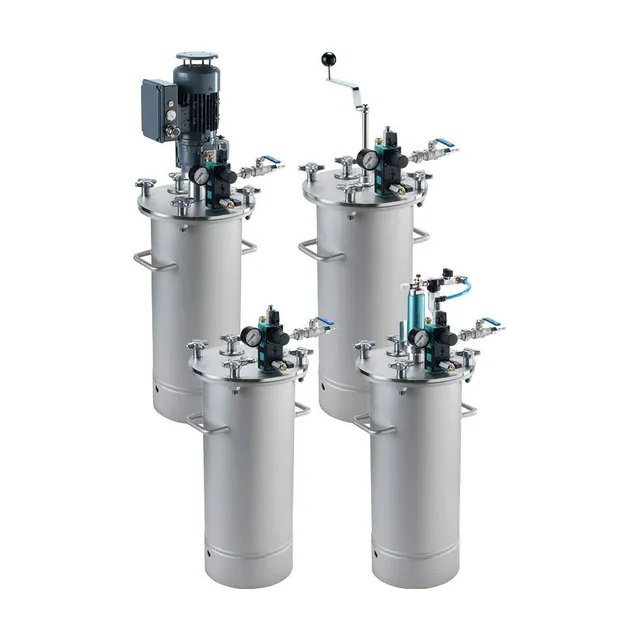
MDG 24
WALTHER PILOT MDG 24 stainless steel material pressure tank – usable volume 23.5 l, pressure 6 bar.
6 barPressure
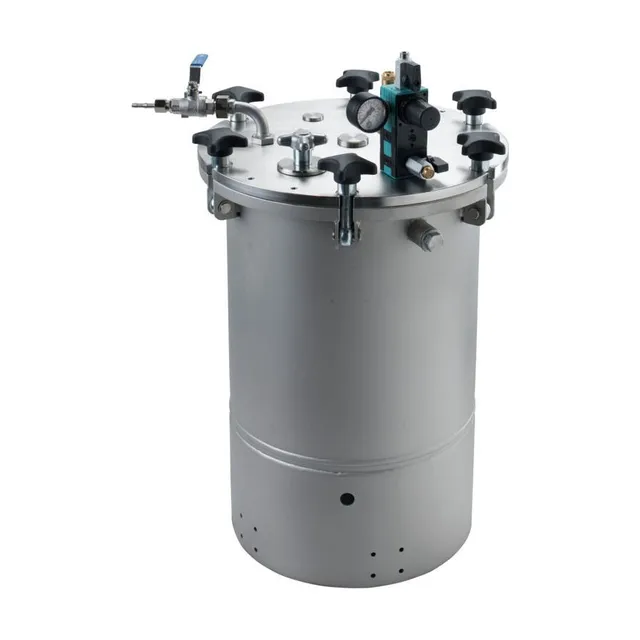
MDG 45 Modular
WALTHER PILOT MDG 45 Modular stainless steel material pressure tank in a modular system – pressure 6 bar.
6 barPressure
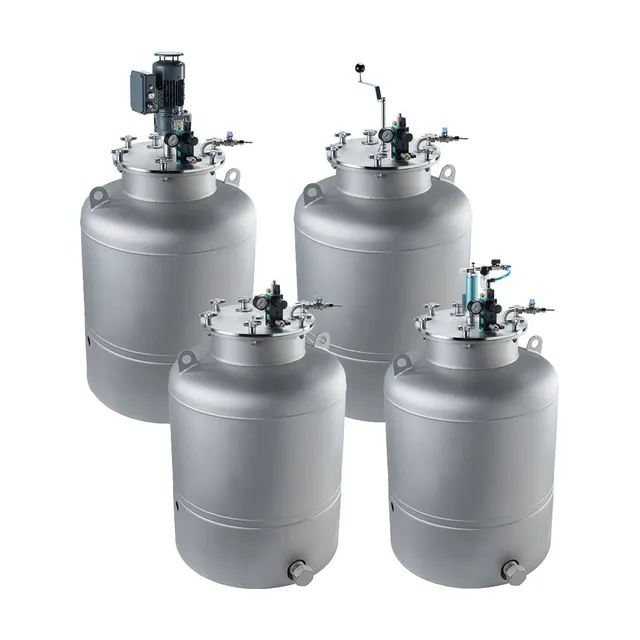
MDG 250
WALTHER PILOT MDG 250 stainless steel material pressure tank – usable volume 248 l, pressure vacuum / 6 bar.
vacuum / 6 barPressure
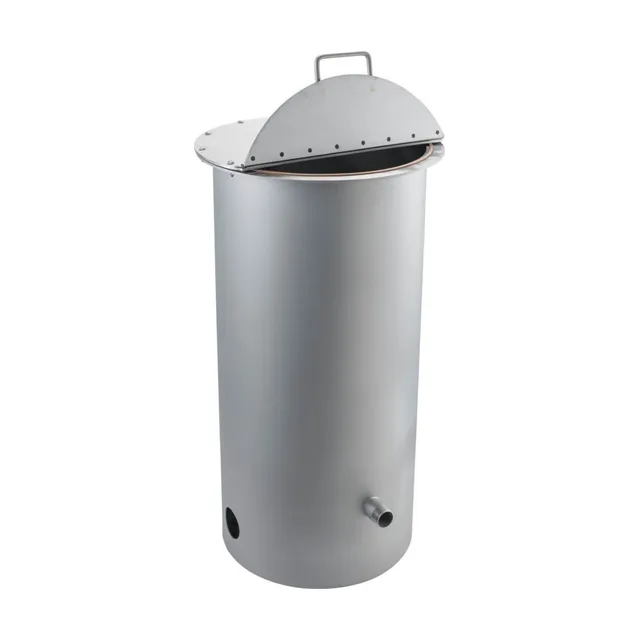
FMB 35
WALTHER PILOT FMB 35 unpressurised stainless steel tank for material preparation – usable volume 35 l, optional pneumatic agitator.
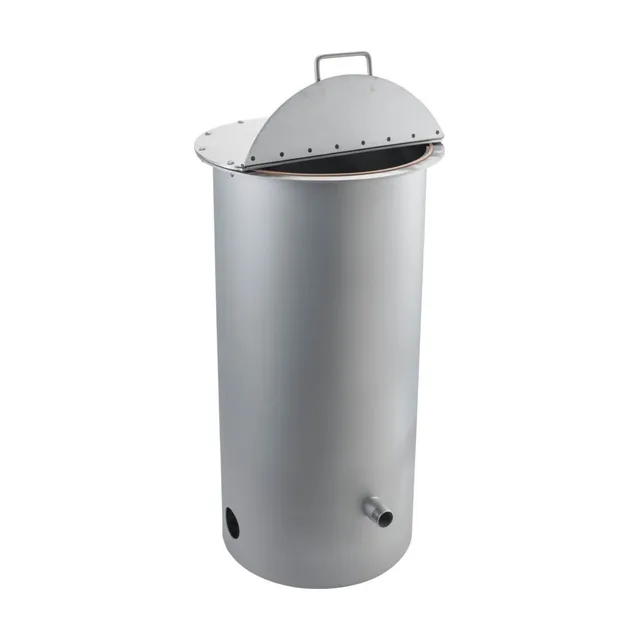
FMB 60
WALTHER PILOT FMB 60 unpressurised stainless steel tank for material preparation – usable volume 60 l, optional pneumatic or electric agitator.
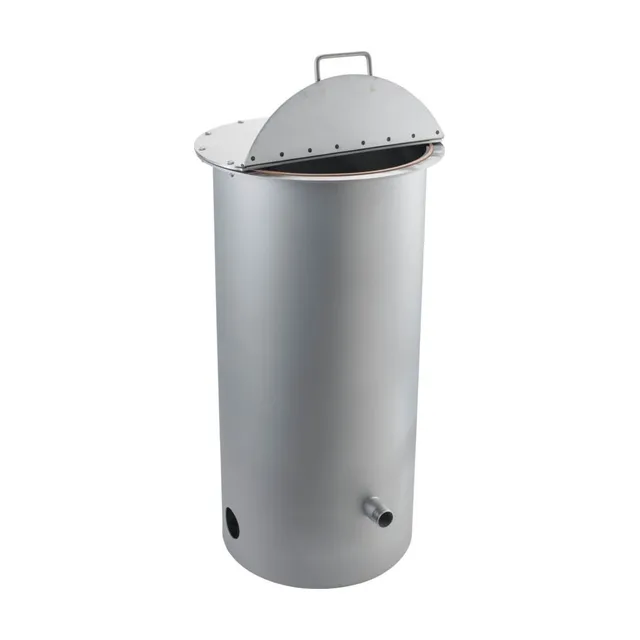
FMB 125
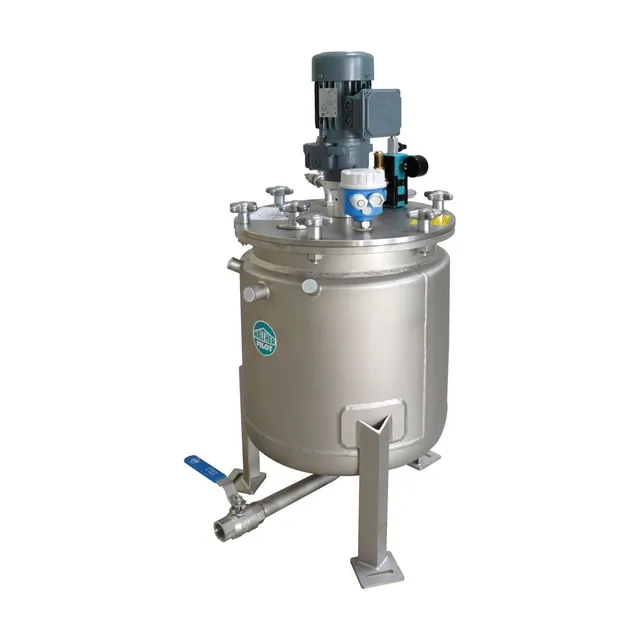
WALTHER PILOT FMB 125 unpressurised stainless steel tank for material preparation – usable volume 125 l, optional electric agitator.
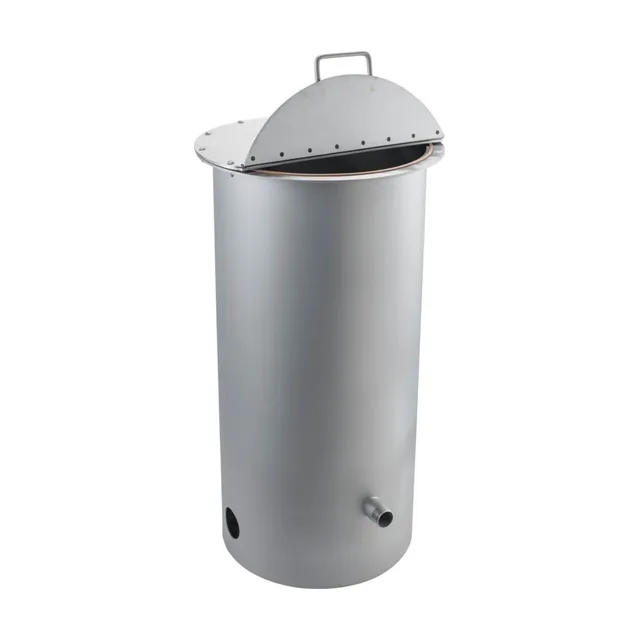
FMB 250
WALTHER PILOT FMB 250 unpressurised stainless steel tank for material preparation – usable volume 250 l, optional electric agitator.
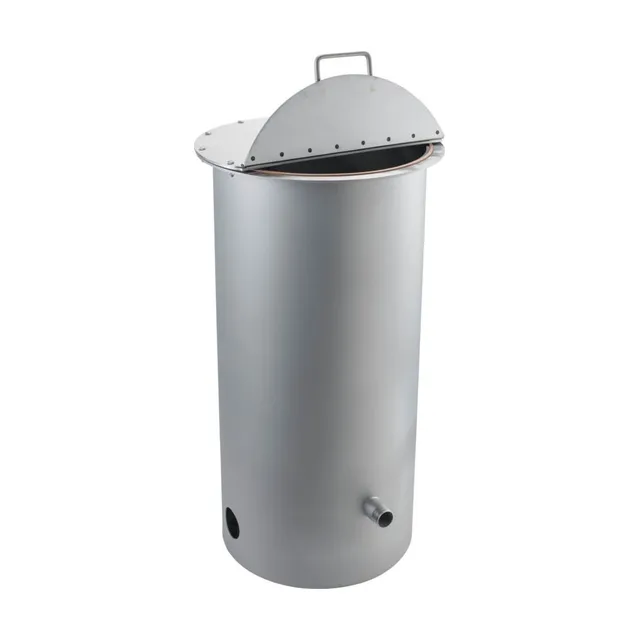
FMB 350
WALTHER PILOT FMB 350 unpressurised stainless steel tank for material preparation – usable volume 350 l, optional electric agitator.
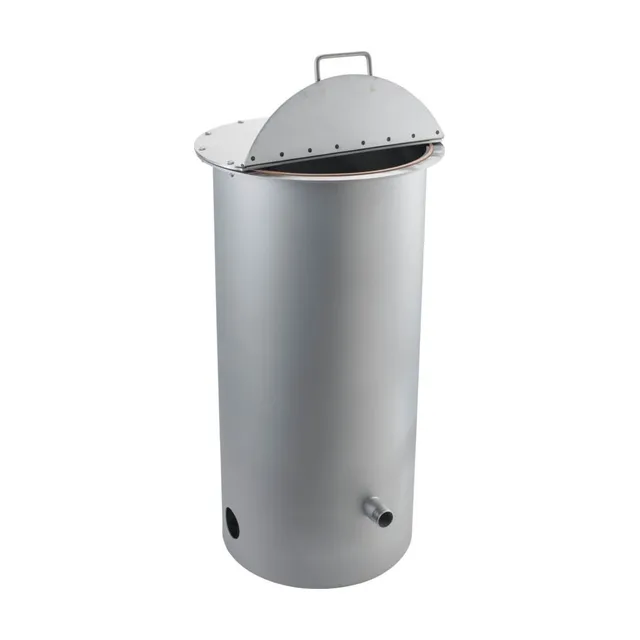
FMB 500
WALTHER PILOT FMB 500 unpressurised stainless steel tank for material preparation – usable volume 500 l, optional electric agitator.
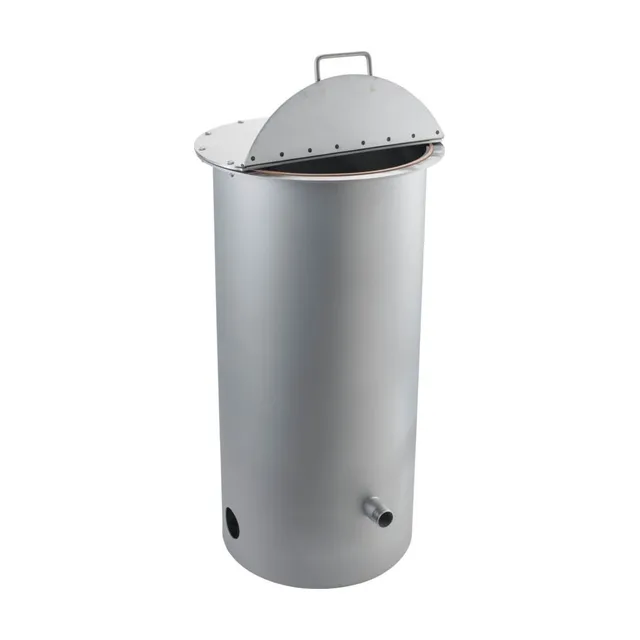
FMB 1000
WALTHER PILOT FMB 1000 unpressurised stainless steel tank for material preparation – usable volume 1,000 l, optional electric agitator.
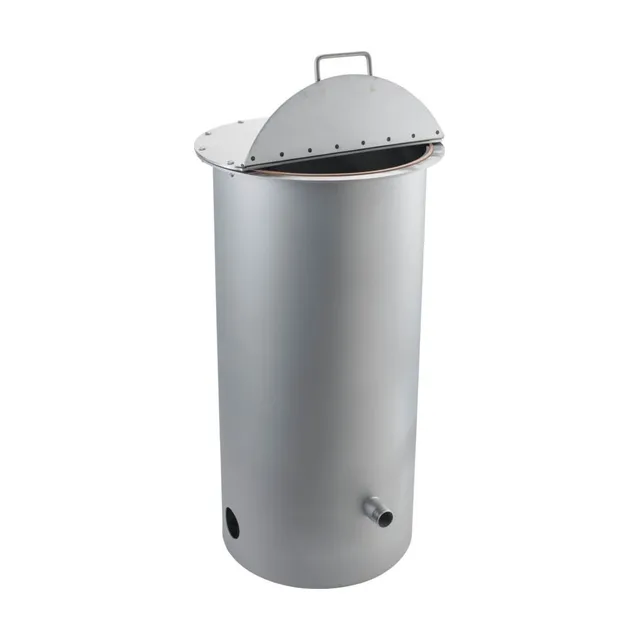
FMB 1200
WALTHER PILOT FMB 1200 unpressurised stainless steel tank for material preparation – usable volume 1,200 l, with agitator (electric).
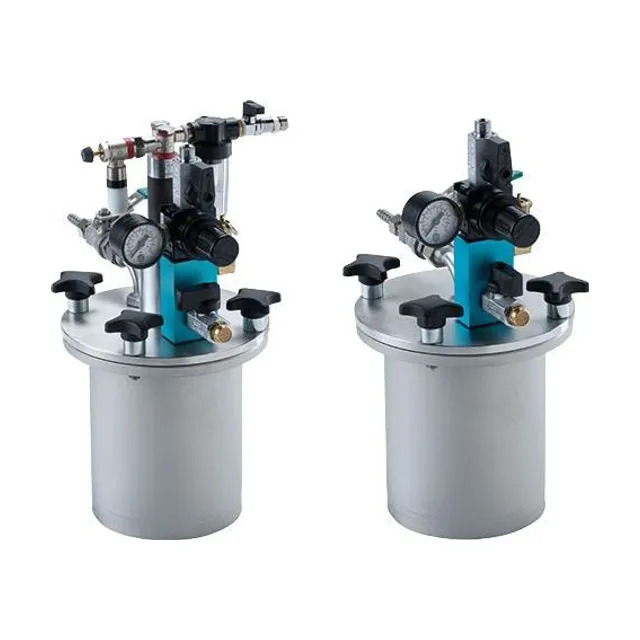
MDG 1
WALTHER PILOT MDG 1 stainless steel material pressure tank – usable volume 1.1 l, pressure vacuum / 3 bar / 6 bar.
vacuum / 3 bar / 6 barPressure
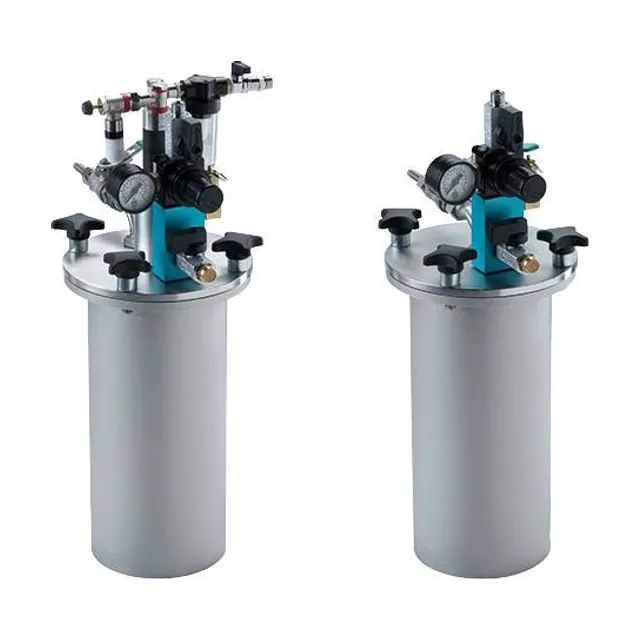
MDG 3
WALTHER PILOT MDG 3 stainless steel material pressure tank – usable volume 2.5 l, pressure vacuum / 3 bar / 6 bar.
vacuum / 3 bar / 6 barPressure
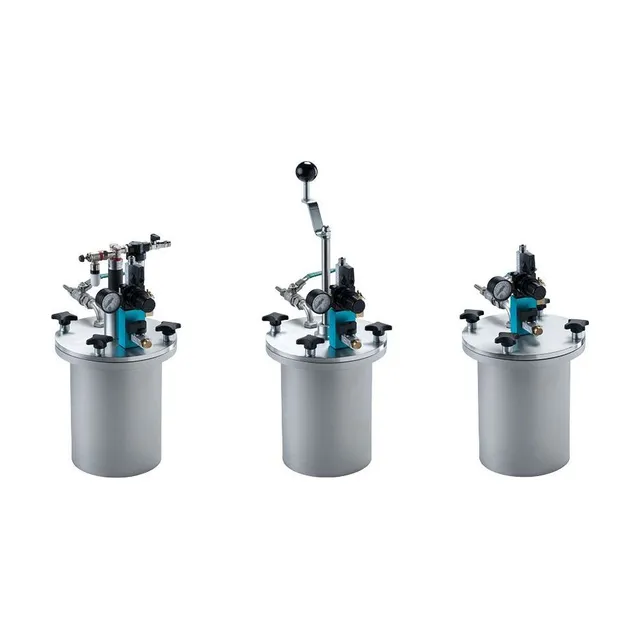
MDG 4
WALTHER PILOT MDG 4 stainless steel material pressure tank – usable volume 3.1 l, pressure vacuum / 4 bar / 6 bar.
vacuum / 4 bar / 6 barPressure
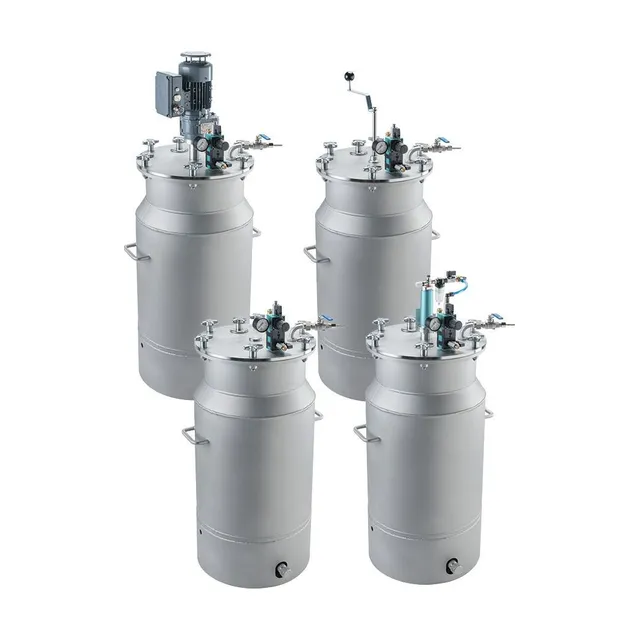
MDG 90
WALTHER PILOT MDG 90 stainless steel material pressure tank – usable volume 90 l, pressure vacuum / 2 bar / 6 bar.
vacuum / 2 bar / 6 barPressure
MDG 120
WALTHER PILOT MDG 120 stainless steel material pressure tank – usable volume 120 l, pressure vacuum / 1.5 bar / 6 bar.
- Pressure
- vacuum / 1.5 bar / 6 bar
Special tanks
WALTHER PILOT special pressure tanks in steel and stainless steel up to approx. 2,000 litres – single or double jacket, based on the MDG series or to customer specification.
Also searched as: tank, tanks, container, pressure tank, unpressurised tank
How it works
How spraying from a pressure tank works
In a closed tank, compressed air presses on the material and forces it through a hose to the spray gun – evenly and without pulsation, without an electrically driven pump. The spray gun also receives atomising air separately.
Select a step or click a part of the diagram – we will show what it does, related terms, questions and products.
- Compressed air
- Paint / material
Description of all parts
- Air
Compressed air from the supply goes to the tank regulator and separately to the spray gun as atomising air.
- Compressed air supply
Compressed air from the workshop supply. - Atomising air
Air for the spray gun is supplied separately from the material, through an air hose.
- Compressed air supply
- Pressure regulation
The regulator with pressure gauge sets the pressure in the tank – and thus the amount of material flowing to the spray gun.
- Tank pressure regulator
Sets the pressure in the tank. Depending on the version, tanks have one or more regulators, including a precision regulator.
- Tank pressure regulator
- Pressure tank
The air presses on the material in the closed tank and forces it out at constant pressure. The material can be mixed with an agitator; the tank may only be filled after the pressure has been released.
- Pressure tank
Closed tank in which air presses on the material. Delivery is pulsation-free; the agitator can be manual, pneumatic or electric. Without an additional pump, the material cannot be circulated.
Advantages: constant pressure and gentle handling of sensitive materials (adhesives, UV, reactive). Limitations: lower material pressure, less suitable for high viscosity, and refilling is only possible after releasing the pressure. A pump is better for high pressure, frequent colour changes and circulation.
- Pressure tank
- Hose
The material hose carries the material from the top or bottom outlet of the tank to the spray gun.
- Material hose
Carries the material from the tank to the spray gun.
- Material hose
- Spray gun
The spray gun atomises the material with atomising air from the air cap.
- Spray gun
Air spray gun: air from the slot of the air cap atomises the material, and the side holes adjust the spray pattern.
Material flow depends on the nozzle diameter and the tank pressure; it is fine-tuned with the needle stroke adjustment screw.
WAGNER spray guns and atomisers →
WALTHER PILOT spray guns →
- Spray gun
Simplified principle. Unpressurised tanks (e.g. FMB) are used to prepare and supply material for a pump – they do not work this way. We will select the number of regulators and the tank outlet according to the application.
Source: WALTHER PILOT – WaltherWiki, pressure tanks and spraying methods; data sheets for MDG and LDG tanks (walther-pilot.de, wagner-group.com).
Video
Presented by Peter Kovár, WAGNER Sales Manager for the Czech Republic and Slovakia. The video is in Slovak.
Pressure tanks and pressure regulatorsPressure tanks with agitators and material pressure regulators.
Model comparison
| Model | Agitator optional | Pressure | Regulator optional |
|---|---|---|---|
| MDG 1 Modular | without agitator; pneumatic agitator | 3 bar | without regulator; precision pressure regulator |
| MDG 3 Modular | without agitator; with pneumatic agitator | 3 bar | without regulator; with precision pressure regulator |
| MDG 8 | without agitator; manual agitator; pneumatic agitator; electric agitator | vacuum / 4 bar | single regulator; +2. regulator |
| MDG 8 Modular | without agitator; with manual agitator; with pneumatic agitator; with electric agitator | 4 bar | without regulator; with precision pressure regulator; +2. regulator; +2. and 3. regulator |
| MDG 22 Modular | without agitator; with manual agitator; with pneumatic agitator; with electric agitator | 6 bar | without regulator; with precision pressure regulator; +2. regulator; +2. and 3. regulator |
| MDG 24 | without agitator; manual agitator; pneumatic agitator; electric agitator | 6 bar | single regulator; +2. regulator; +2. and 3. regulator; precision pressure regulator |
| MDG 45 Modular | without agitator; with manual agitator; with pneumatic agitator; with electric agitator | 6 bar | without regulator; with precision pressure regulator; +2. regulator; +2. and 3. regulator |
| MDG 250 | without agitator; manual agitator; pneumatic agitator | vacuum / 6 bar | single regulator; +2. regulator; +2. and 3. regulator; precision pressure regulator |
| FMB 35 | without agitator; pneumatic agitator | – | – |
| FMB 60 | without agitator; with pneumatic agitator; with electric agitor | – | – |
| FMB 125 | without agitator; electric agitator | – | – |
| FMB 250 | without agitator; with electric agitator | – | – |
| FMB 350 | without agiator; with electric agitator | – | – |
| FMB 1000 | without agitator; with electric agitator | – | – |
| MDG 1 | without agitator; pneumatic agitator | vacuum / 3 bar / 6 bar | Single regulator; +2. regulator |
| MDG 3 | without agitator; pneumatic agitator | vacuum / 3 bar / 6 bar | single regulator; +2. regulator |
| MDG 4 | without agitator; manual agitator; pneumatic agitator | vacuum / 4 bar / 6 bar | Single regulator; +2. regulator |
| MDG 90 | without agitator; manual agitator; pneumatic agitator; electric agitator | vacuum / 2 bar / 6 bar | single regulator; +2. regulator; +2. and 3. regulator; precision pressure regulator |
| MDG 120 | without agitator; manual agitator; pneumatic agitator; electric agitator | vacuum / 1.5 bar / 6 bar | single regulator; +2. regulator; +2. and 3. regulator; precision pressure regulator |
Data are taken from manufacturer documentation. We will verify them for your application before you order.
Frequently asked questions
What is a pressure tank and when is it used?
A vessel under air pressure that delivers paint to the gun without pulsation – an alternative to a pump for smaller quantities.
Have a different question? Write to us – a technician will answer. Send an enquiry
Technical terms are explained in the glossary.